Basement Concrete Sealing in Tuscaloosa, AL
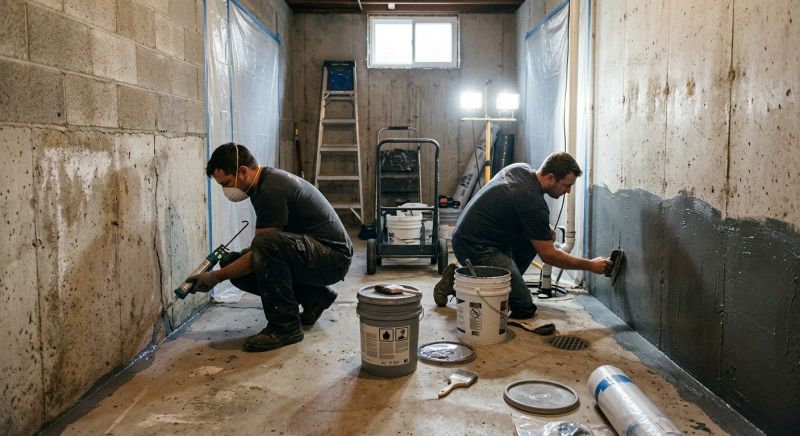
Basement concrete sealing is a process designed to protect basement floors and walls from moisture intrusion, water damage, and staining. This service involves applying a specialized sealant to concrete surfaces, which creates a barrier that prevents water and other liquids from seeping through. Homeowners often request basement sealing for projects such as waterproofing new foundations, addressing existing moisture issues, or preparing a space for finishing or storage. Understanding the type of sealant used, the specific areas to be treated, and the condition of the existing concrete can help property owners make informed decisions about the service.
Before requesting basement sealing, property owners typically want to know about the current state of their basement’s concrete surfaces, including any cracks, existing moisture problems, or previous repairs. It's also important to consider the level of sealing needed-whether a simple surface sealant suffices or if deeper waterproofing measures are necessary. Proper surface preparation, such as cleaning and repairing cracks, is essential for optimal results. Clarifying these details can ensure the sealing process effectively enhances the basement’s durability and resistance to moisture-related issues.
Many property owners in Tuscaloosa, AL look into Basement Concrete Sealing for repairs, replacements, upgrades, and appearance-related improvements.
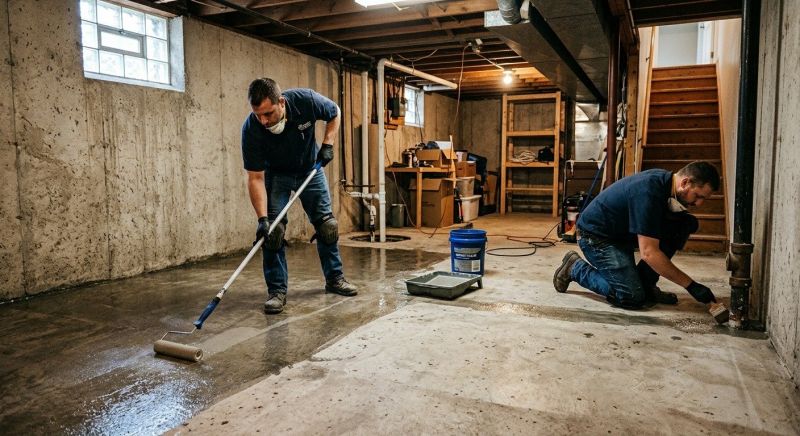
Protecting Basement Foundations
Sealing concrete helps prevent water infiltration and structural damage in basements.
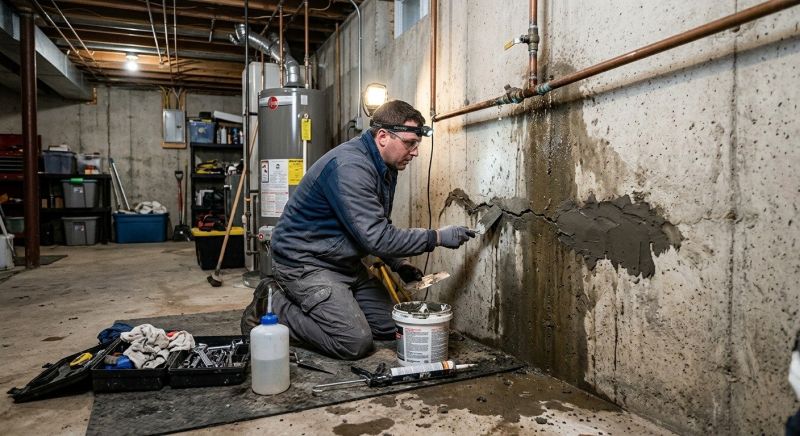
Enhancing Durability And Longevity
Proper sealing extends the lifespan of basement concrete against moisture and wear.
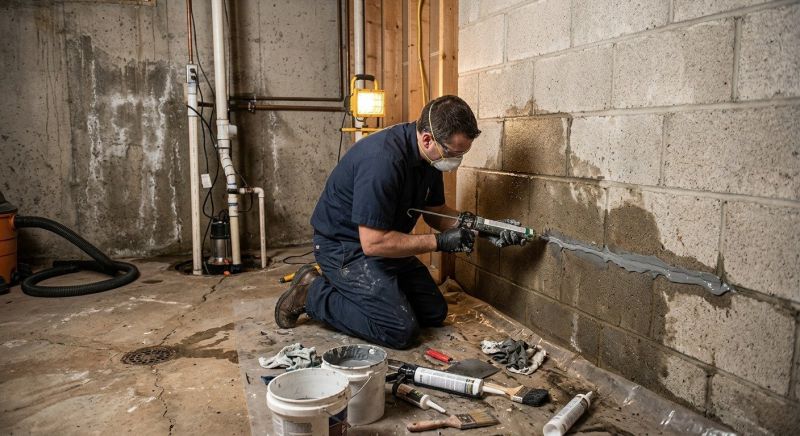
Preventing Mold And Mildew Growth
Sealing reduces moisture buildup that can lead to mold issues in basement spaces around tuscaloosa, al.
Basement Concrete Sealing in Tuscaloosa, AL
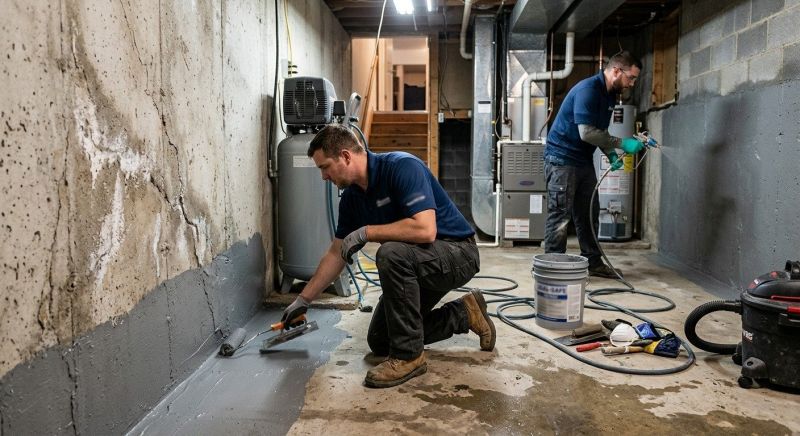
Basement concrete sealing is a process designed to protect basement floors and walls from moisture intrusion, water damage, and staining. This service involves applying a specialized sealant to concrete surfaces, which creates a barrier that prevents water and other liquids from seeping through. Homeowners often request basement sealing for projects such as waterproofing new foundations, addressing existing moisture issues, or preparing a space for finishing or storage. Understanding the type of sealant used, the specific areas to be treated, and the condition of the existing concrete can help property owners make informed decisions about the service.
Before requesting basement sealing, property owners typically want to know about the current state of their basement’s concrete surfaces, including any cracks, existing moisture problems, or previous repairs. It's also important to consider the level of sealing needed-whether a simple surface sealant suffices or if deeper waterproofing measures are necessary. Proper surface preparation, such as cleaning and repairing cracks, is essential for optimal results. Clarifying these details can ensure the sealing process effectively enhances the basement’s durability and resistance to moisture-related issues.
Many property owners in Tuscaloosa, AL look into Basement Concrete Sealing for repairs, replacements, upgrades, and appearance-related improvements.
Common Basement Concrete Sealing Jobs
Basement floors - sealing protects against moisture intrusion and prevents cracking.
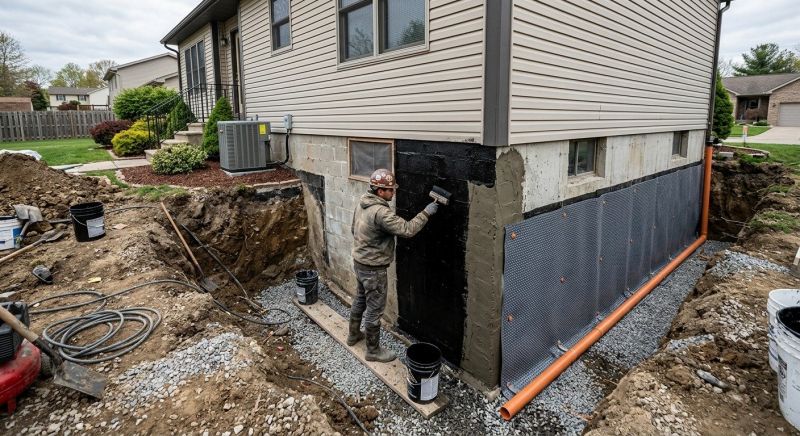
Foundation walls - sealing helps reduce water seepage and structural damage.
Crawl spaces - sealing minimizes humidity and prevents mold growth.
Garage slabs - sealing provides a durable barrier against stains and water damage.
Interior basement areas - sealing enhances overall moisture control and indoor air quality.
Concrete steps and walkways - sealing preserves surface integrity and prevents freeze-thaw damage.
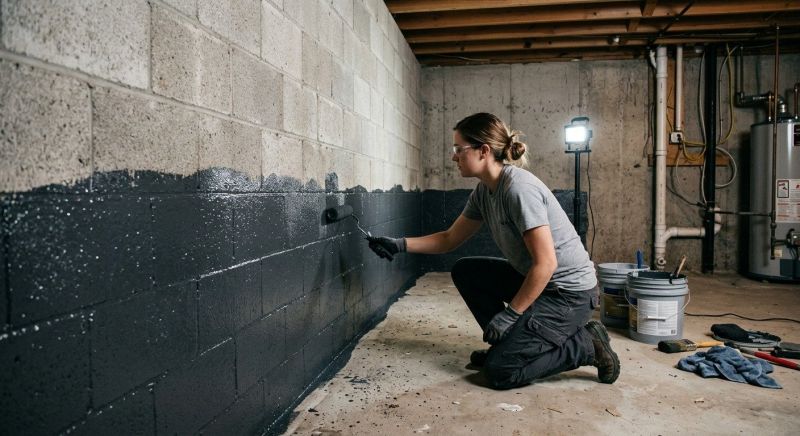
Basement Concrete Sealing Questions
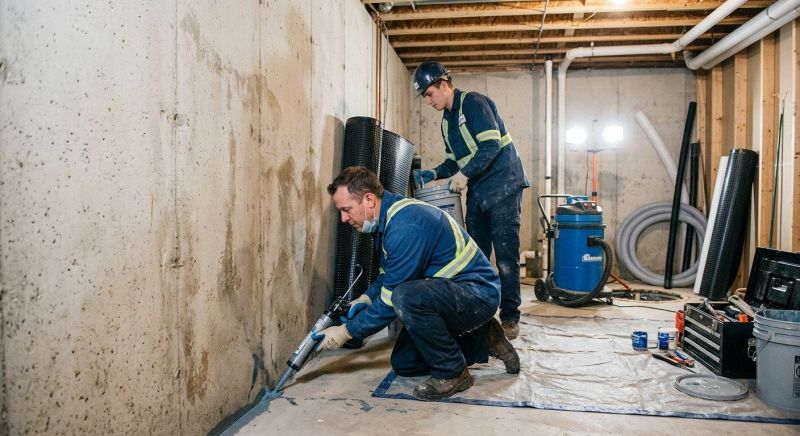
What is basement concrete sealing? It is a process that applies a protective coating to basement floors and walls to prevent moisture intrusion and staining.
Why should homeowners consider sealing their basement concrete? Sealing helps reduce water seepage, minimizes mold growth, and preserves the appearance of basement surfaces.
What types of basement projects benefit from concrete sealing? Areas prone to dampness, staining, or water exposure, such as laundry rooms or storage areas, are ideal for sealing.
How often should basement concrete be resealed? Typically, resealing is recommended every few years to maintain protection and appearance.
Request Basement Concrete Sealing in Tuscaloosa, AL
Use the quote form on this page to share the basics of your project and request more information for the type of work you need.