How Dust and Allergens Build Up in Window Treatments
To reduce dust and allergens buildup in window treatments, local contractors can thoroughly clean and remove trapped particles, improving air quality and overall cleanliness.
Understanding how dust and allergens build up in window treatments is an important step for property owners looking to maintain a healthy and comfortable living environment. Over time, these particles can accumulate in curtains, blinds, and other window coverings, potentially impacting indoor air quality and making spaces feel less fresh. For those in the area, exploring this topic can reveal practical benefits-such as reducing allergy symptoms and prolonging the lifespan of window treatments-by learning how routine cleaning or professional services can make a difference.
Property owners often find that keeping window treatments clean is more than just a matter of appearance; it’s a key part of overall indoor health. Local contractors who specialize in dust and allergen window treatment cleaning can provide effective solutions tailored to specific needs. Continuing to read can help uncover simple strategies and understand how trusted service providers can assist in maintaining cleaner, healthier window coverings, contributing to a more comfortable home or workspace.
- Dust and allergen window treatment cleaning - is needed when homeowners notice increased allergy symptoms and want to reduce dust accumulation on their window coverings, with local contractors offering thorough cleaning services.
- Dust and allergen window treatment cleaning - is essential after seasons of heavy outdoor exposure or indoor activities that stir up dust, with local service providers providing deep cleaning to remove buildup.
- Dust and allergen window treatment cleaning - is recommended when window treatments become visibly dusty or stained, and local pros use specialized techniques to eliminate allergens trapped in fabric or blinds.
- Dust and allergen window treatment cleaning - is useful for maintaining indoor air quality in homes with allergy sufferers, with local contractors offering routine cleaning to prevent dust buildup.
- Dust and allergen window treatment cleaning - is necessary following remodeling or renovation projects that generate dust, with local service providers performing detailed cleaning to clear allergens from window coverings.

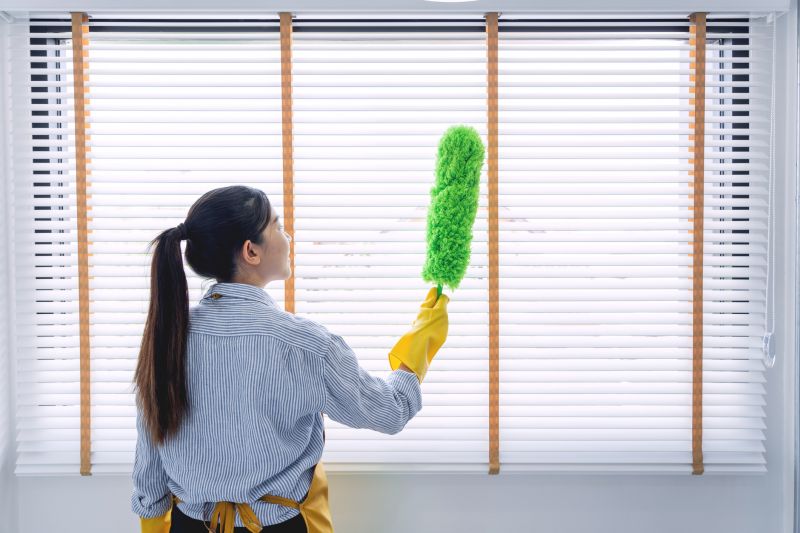

When people search for information about how dust and allergens build up in window treatments, they are often concerned about indoor air quality and the health implications of accumulated particles. Window treatments such as curtains, blinds, and shades tend to trap dust, pollen, pet dander, and other airborne allergens over time. These particles settle on fabric surfaces and between slats or folds, creating a layer of buildup that can become difficult to remove without proper cleaning. Homeowners may notice increased sneezing, coughing, or allergy symptoms, especially during certain seasons or after periods of minimal cleaning. Understanding how these particles accumulate helps homeowners recognize the importance of regular maintenance and the role that professional cleaning services can play in reducing allergens in the home.
This topic often relates to problems like persistent dust in living spaces, worsening allergy or asthma symptoms, and the desire for a cleaner, healthier environment. Many property owners plan to improve indoor air quality by deep cleaning or replacing their window treatments, especially if they notice visible dust or experience allergy flare-ups. It also ties into projects aimed at improving overall home cleanliness or preparing a space for new occupants. For those with respiratory sensitivities, knowing how dust and allergens build up in window treatments underscores the need for specialized cleaning to remove trapped particles effectively. Local service providers who focus on window treatment cleaning can help address these issues by providing thorough, targeted cleaning that reduces allergen buildup and enhances indoor comfort.
The types of properties where this issue frequently arises include residential homes, apartments, and condominiums. These spaces often feature fabric curtains, vertical blinds, or fabric-covered shades that are more prone to trapping dust and allergens. Commercial properties like offices, clinics, and hospitality venues may also face similar concerns, especially in spaces with large windows or extensive window treatment installations. In all these settings, the accumulation of dust and allergens can impact indoor air quality and occupant health. Recognizing the specific needs of different property types helps homeowners and property managers understand how professional cleaning services can be integrated into maintenance routines. Local contractors specializing in window treatment cleaning are equipped to handle various property types and help maintain a healthier indoor environment.
Understanding how dust and allergens build up in window treatments highlights the importance of regular, specialized cleaning to keep indoor spaces healthier. Many homeowners find that routine dusting isn’t enough to remove deeply embedded particles, especially in fabric or layered window coverings. Professionals who focus on window treatment cleaning bring the expertise and equipment needed to thoroughly clean and remove trapped dust and allergens, often reaching areas that are difficult to access with standard cleaning methods. Engaging with local service providers can be a practical step toward reducing allergen levels in the home, improving air quality, and creating a more comfortable living environment. By addressing the buildup of dust and allergens in window treatments, property owners can take proactive steps to support healthier indoor spaces and reduce allergy-related discomfort.
Upholstery Cleaning - this project involves removing dust, allergens, and debris from fabric surfaces, similar to cleaning window treatments to reduce allergen buildup.
HVAC Duct Cleaning - professionals in this field focus on eliminating dust and allergens from air ducts, which complements efforts to keep airborne particles out of window treatments.
Blinds and Shade Restoration - specialists in restoring and cleaning various window coverings understand how dust accumulates and can help with allergen removal from similar materials.
Carpet and Rug Cleaning - this service targets deep-seated dust and allergens, paralleling cleaning techniques used on fabric window treatments to improve indoor air quality.
Curtain and Drapery Cleaning - experts in this area are skilled at removing dust and allergens from fabric window coverings, directly related to maintaining clean window treatments.
Air Purifier Installation - installing air purifiers helps reduce airborne allergens, supporting efforts to prevent buildup of dust and allergens in window treatments.
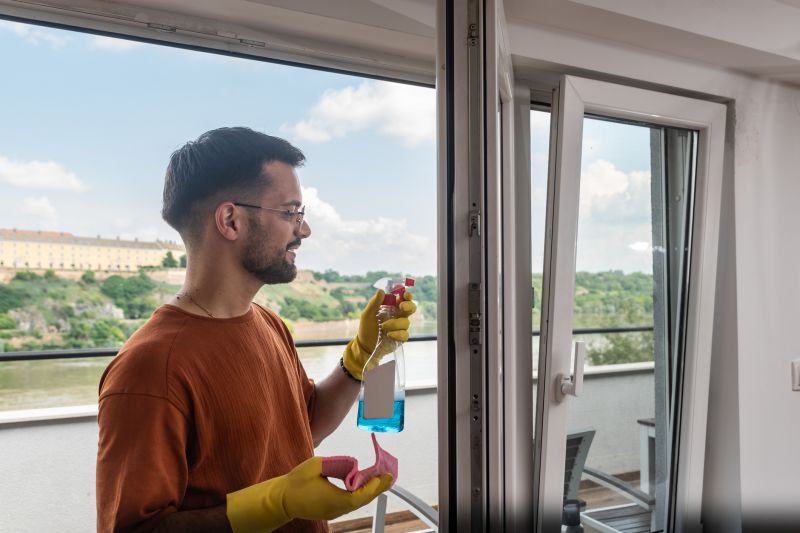
When evaluating local contractors for dust and allergen window treatment cleaning, it’s helpful to consider their experience with similar projects. Homeowners should inquire about how long a service provider has been handling cleaning of window coverings and whether they have worked with various types of treatments, such as blinds, drapes, or shades. An experienced contractor will typically have a well-established process for removing dust and allergens effectively, ensuring that the buildup is thoroughly addressed without damaging delicate materials. This background can provide confidence that the service provider understands the nuances of different window treatments and can deliver a comprehensive cleaning that improves indoor air quality.
Clear written expectations are essential when comparing service providers for dust and allergen buildup in window treatments. Homeowners should seek detailed descriptions of what the cleaning process involves, including whether it includes dusting, vacuuming, or deep cleaning methods. Transparency about the scope of work helps ensure there are no misunderstandings and that the service provider’s offerings align with specific needs. Additionally, understanding what to expect in terms of results - such as reduced dust and allergens or improved appearance - can help homeowners make informed decisions and select a contractor who clearly communicates their approach and capabilities.
Reputable references and good communication are key factors in choosing a local contractor for dust and allergen window treatment cleaning. Homeowners are encouraged to ask for referrals or reviews from previous clients who had similar cleaning needs. Reliable service providers should be responsive to questions, willing to explain their methods, and able to provide guidance on maintaining clean window treatments in the future. Effective communication ensures that homeowners feel confident in the process and can trust the contractor to deliver quality work. By prioritizing these qualities, homeowners can find a professional who will handle the job with care and attention to detail, ultimately helping to improve indoor air quality and reduce allergen buildup.
Property owners often search for how dust and allergens build up in window treatments when they are planning practical projects around their homes and businesses. Local pros provide Dust and Allergen Window Treatment Cleaning services for everyday jobs and straightforward project options.
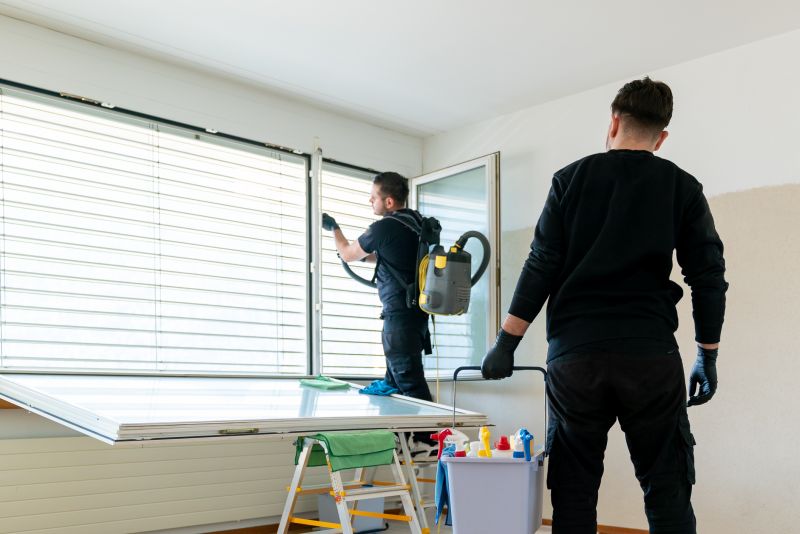
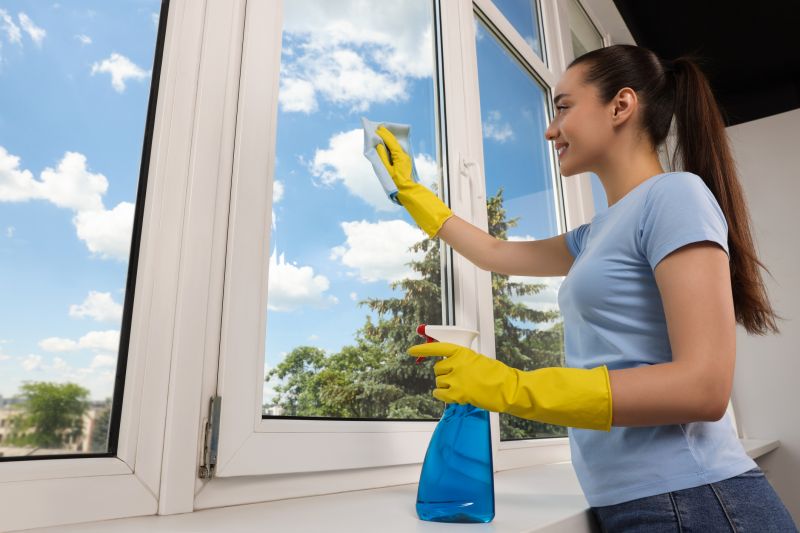
Dust and allergens tend to accumulate in window treatments over time, especially in homes where windows are frequently opened or in areas with higher levels of airborne particles. Everyday activities like opening and closing blinds or curtains can stir up dust, which then settles into fabric, fabric-like materials, or even into the slats of blinds. Additionally, factors such as pet dander, pollen, and household dust contribute to the buildup, making window treatments a hidden source of allergens that can affect indoor air quality. Property owners often seek out professional cleaning services to effectively remove these particles, helping to create a cleaner and healthier living environment.
Many local contractors offer specialized cleaning services for window treatments to address dust and allergen buildup. These professionals use techniques and equipment designed to reach into fabric folds, slats, and other hard-to-clean areas, removing accumulated debris that can be difficult to eliminate with regular dusting. Regular cleaning by experienced service providers can help prevent the excessive buildup of allergens, which is especially beneficial for allergy sufferers or households with pets. Property owners interested in maintaining a cleaner, healthier home environment often consider the expertise of local contractors to keep their window treatments free from dust and allergens.
How do dust and allergens build up in window treatments? Dust and allergens settle on window treatments through everyday air circulation, settling into fabric or material fibers over time, especially in areas with higher indoor activity or poor ventilation.
Why are window treatments a common place for allergen accumulation? Window treatments often trap dust, pet dander, pollen, and other airborne particles because of their fabric or material surfaces, making them prone to buildup without regular cleaning.
How can local service providers help reduce dust and allergens in window treatments? Professional cleaning services can thoroughly remove accumulated dust and allergens from various types of window treatments, improving indoor air quality and reducing allergy symptoms.
What types of window treatments are most susceptible to dust and allergen buildup? Fabric blinds, curtains, and soft window coverings tend to trap more dust and allergens compared to hard surfaces like wood or metal blinds.
How often should window treatments be cleaned to prevent allergen buildup? Regular professional cleaning, typically every 6 to 12 months, can help prevent excessive dust and allergen accumulation and maintain a healthier indoor environment.
Regular dust accumulation awareness - property owners can schedule routine cleaning with local contractors to prevent dust and allergens from settling into window treatments.
Deep cleaning techniques - utilizing professional cleaning methods helps remove built-up dust and allergens that regular dusting may miss.
Allergen-specific treatments - local pros can apply specialized cleaning solutions to reduce allergens embedded in fabric or material window treatments.
Preventive maintenance plans - establishing ongoing cleaning schedules with service providers helps maintain cleaner window treatments and improves indoor air quality.
If you are thinking about how dust and allergens build up in window treatments for a property, this guide is meant to help you understand this topic, the typical project types, and how different options might fit your plans.
When you are ready, you can use the quote form on this page to share a few details about your project. From there, local pros can review the basics and follow up with options that match what you have in mind.